
Mending Ways
Emma Allain, Jennifer Anorue & Kateryna Kostelna, Chris Chrysler, Antoinette Karuna, Narmin Kassam, Kellyann Marie, Abby Nowakowski, and Jasper Lyon Wicke
May 9th – July 18th, 2026
Main Gallery
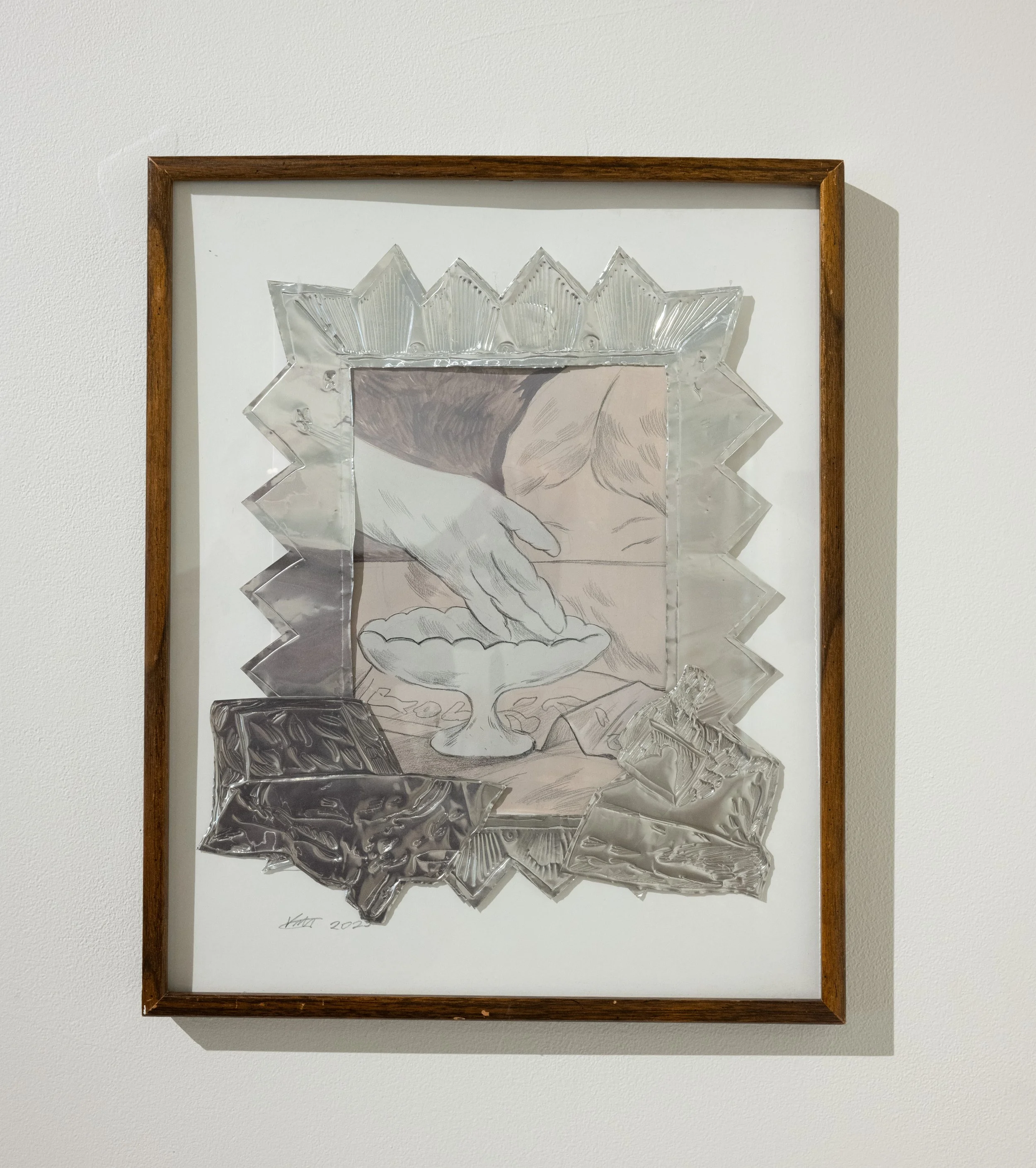
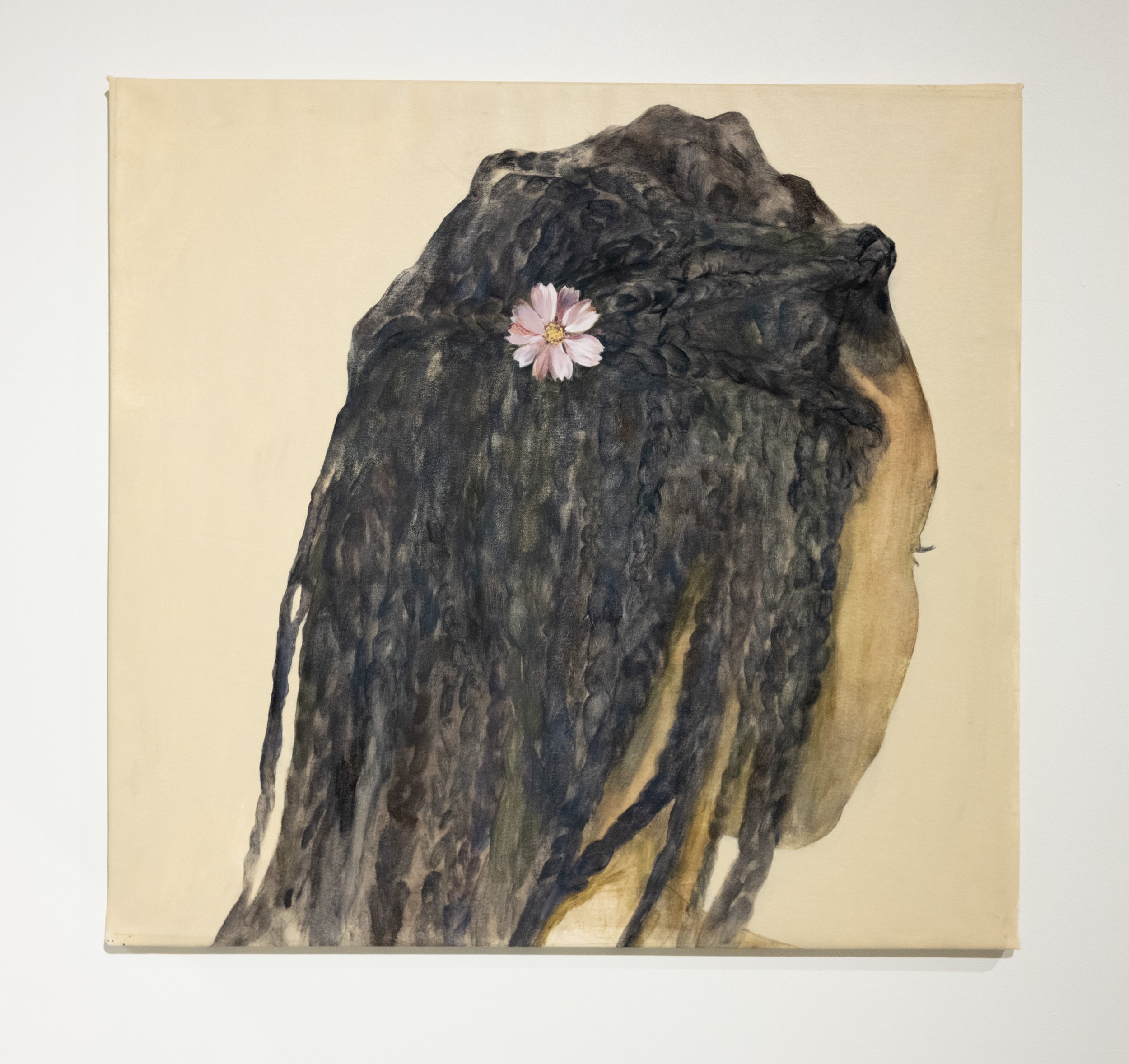
Mending the Way to You and Me at the Annual Juried Exhibition
By Curatorial Assistant Faith Brooks
After a long winter and a hectic early spring, MendingWays at Cultivate Art Commons grants a moment of respite. This year’s Annual Juried Exhibition brings together the work of nine artists responding to the theme of mending. Mending can be physical and tangible, like darning our warmest socks, or relational and intangible, like sending a letter to an old friend. Mending requires us to be vulnerable, intentional, and embodied. To mend, we must sit with our emotions and experiences. We must show up as we are.
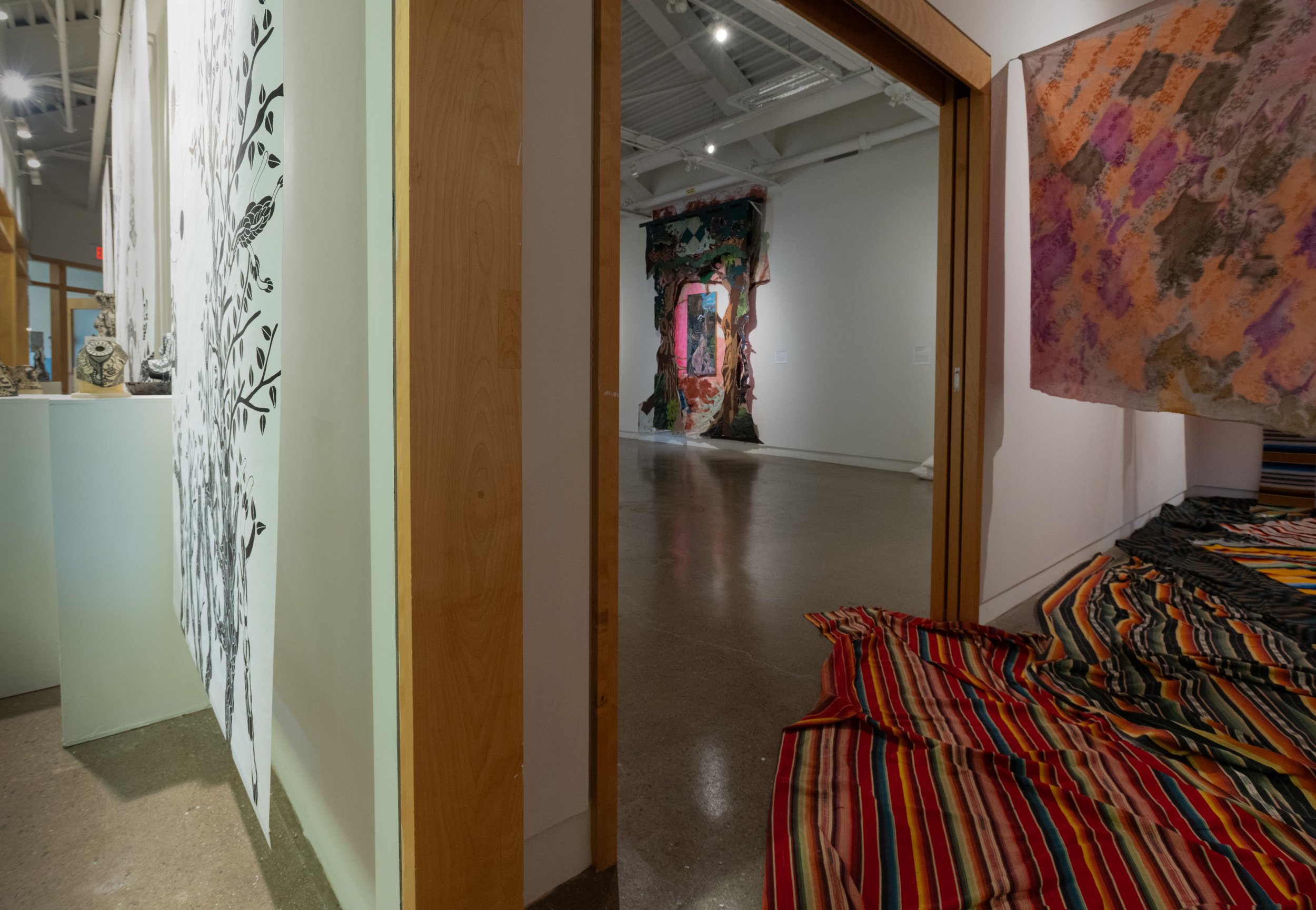
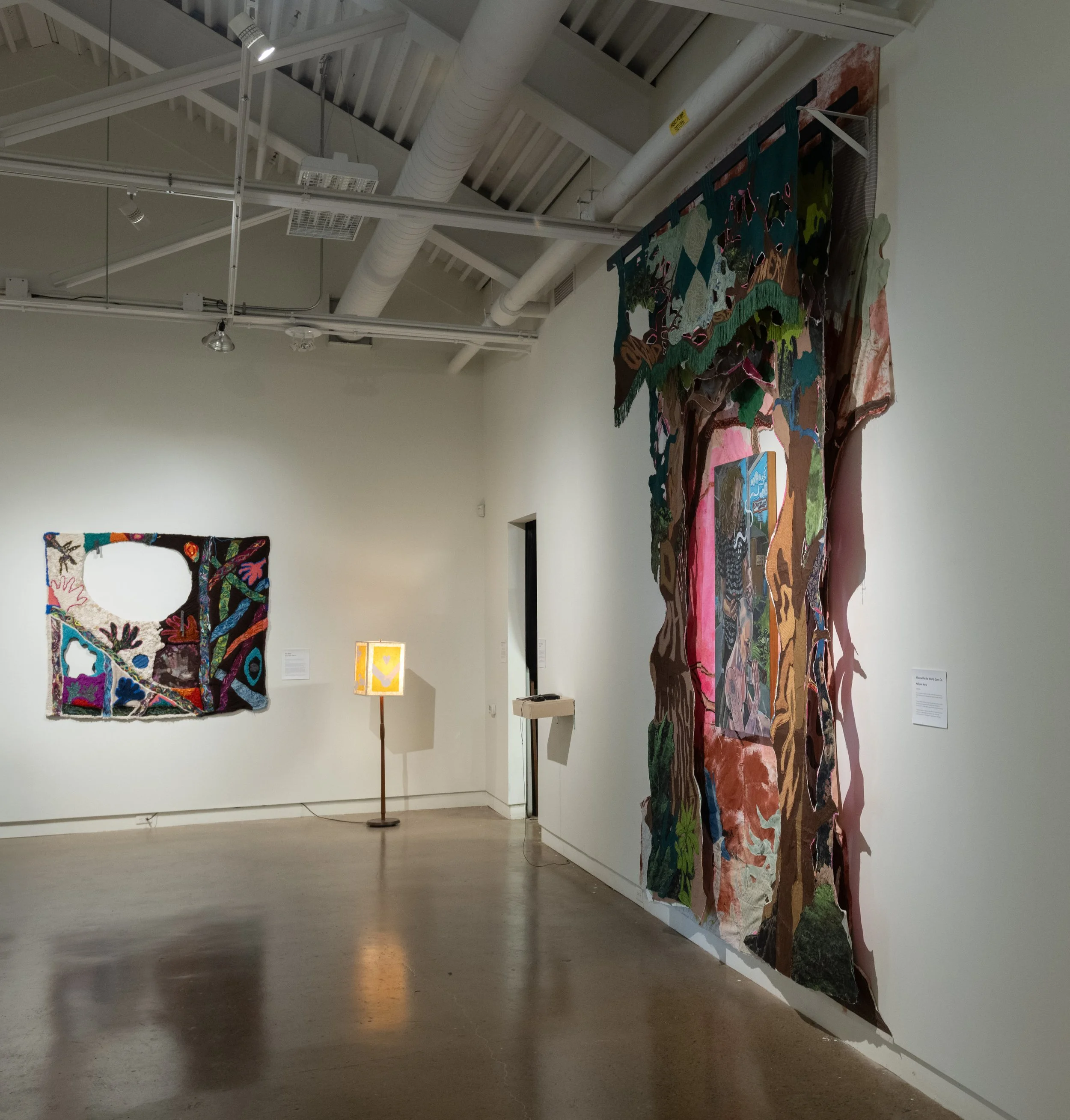
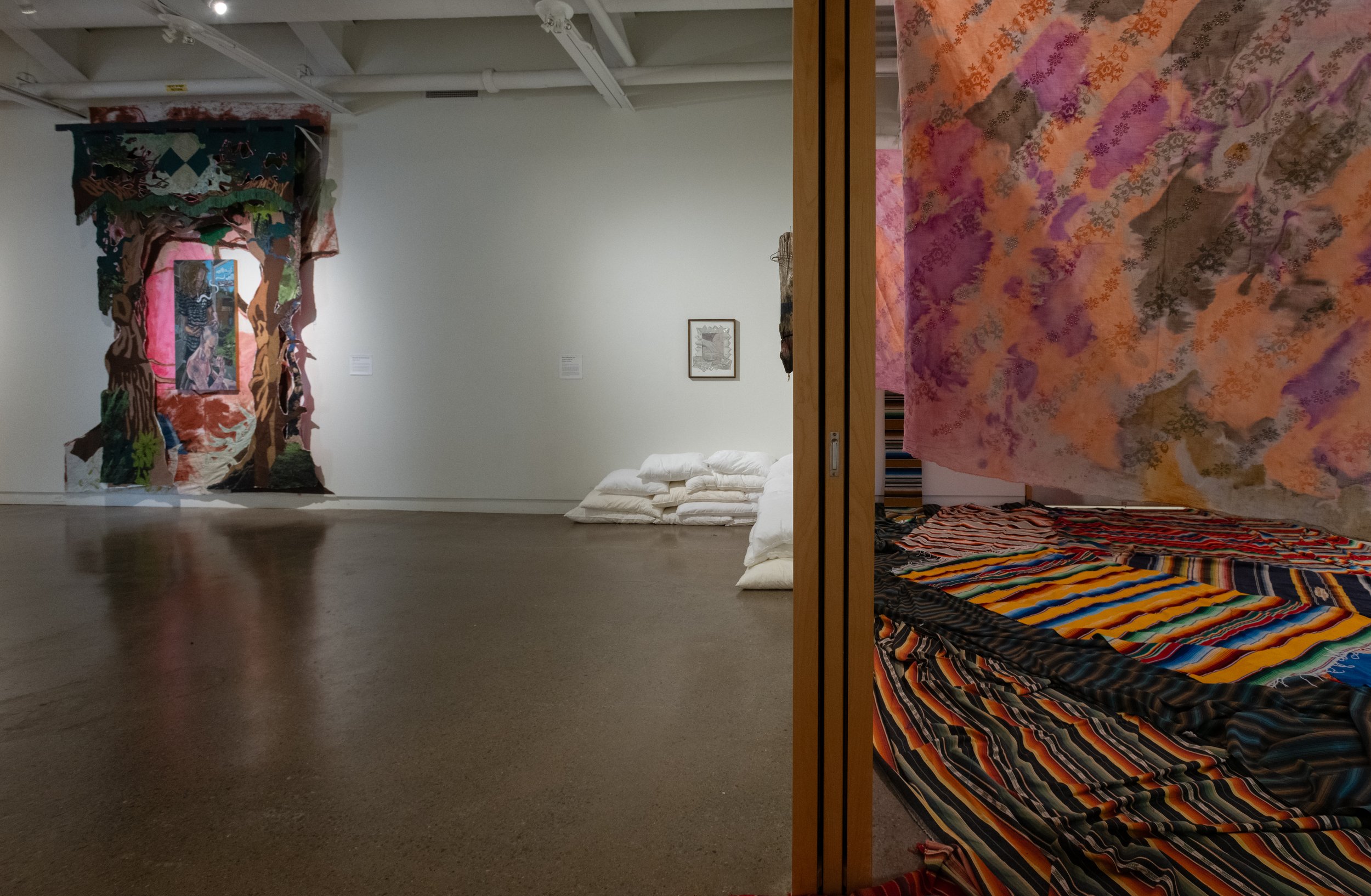
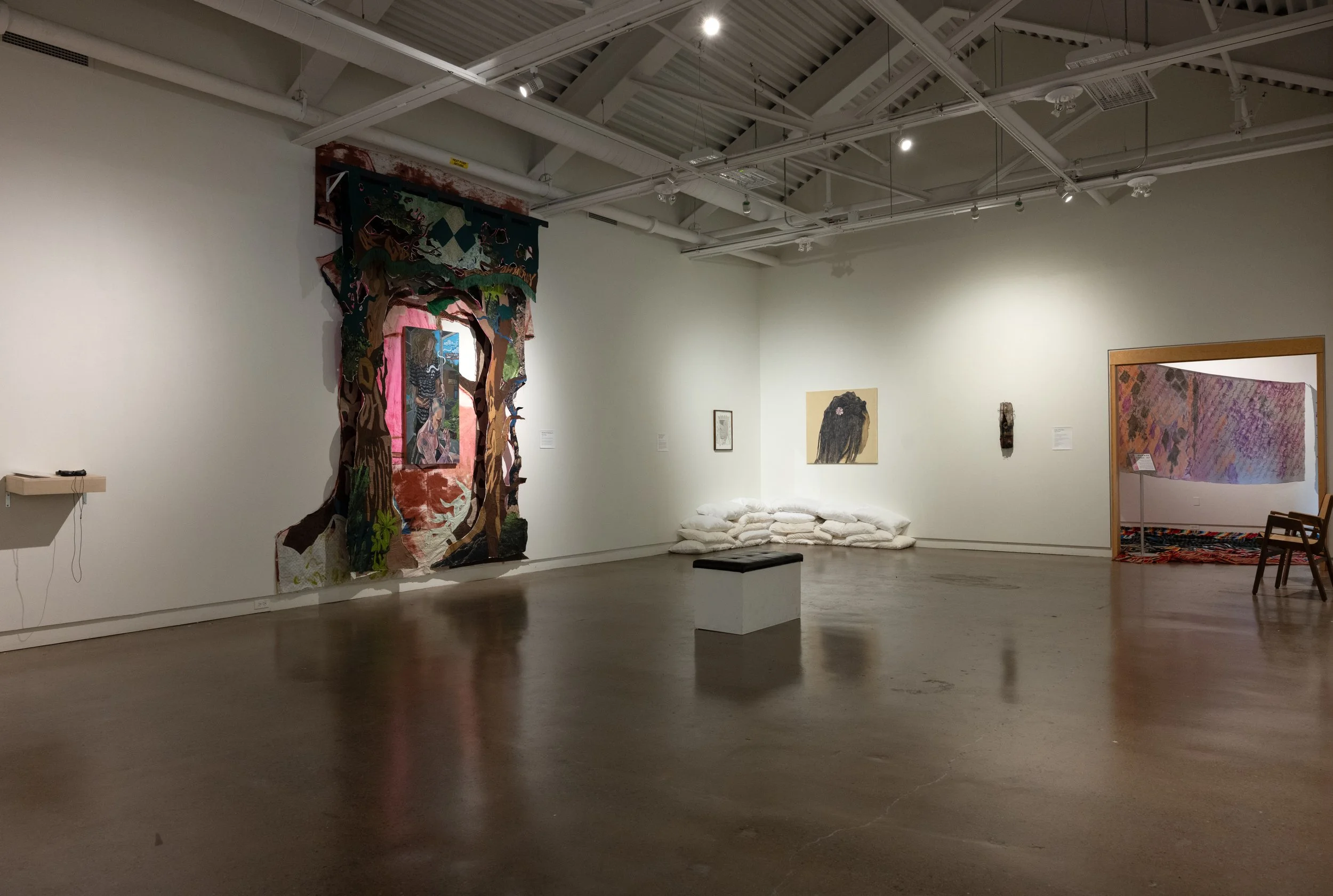
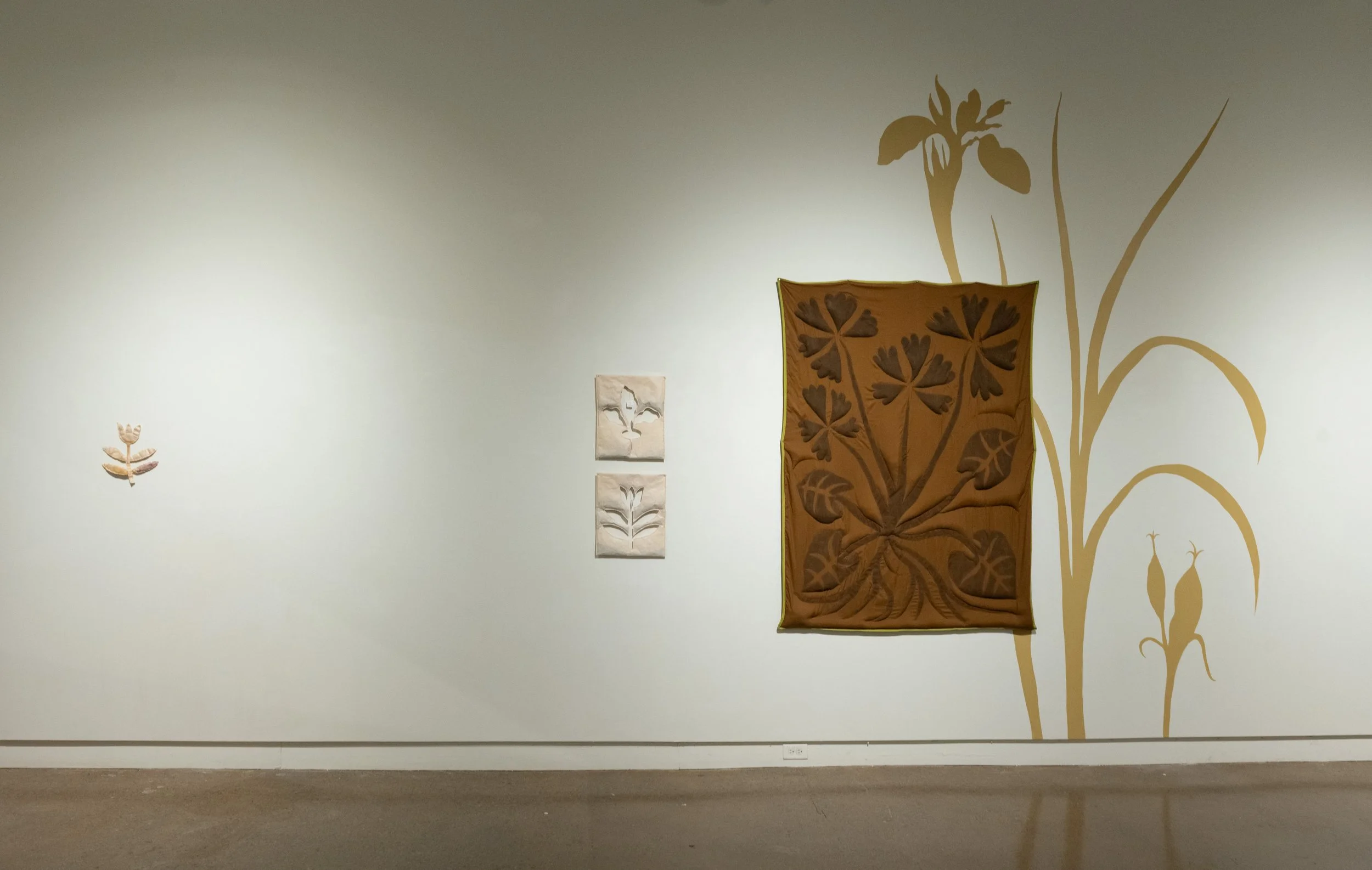
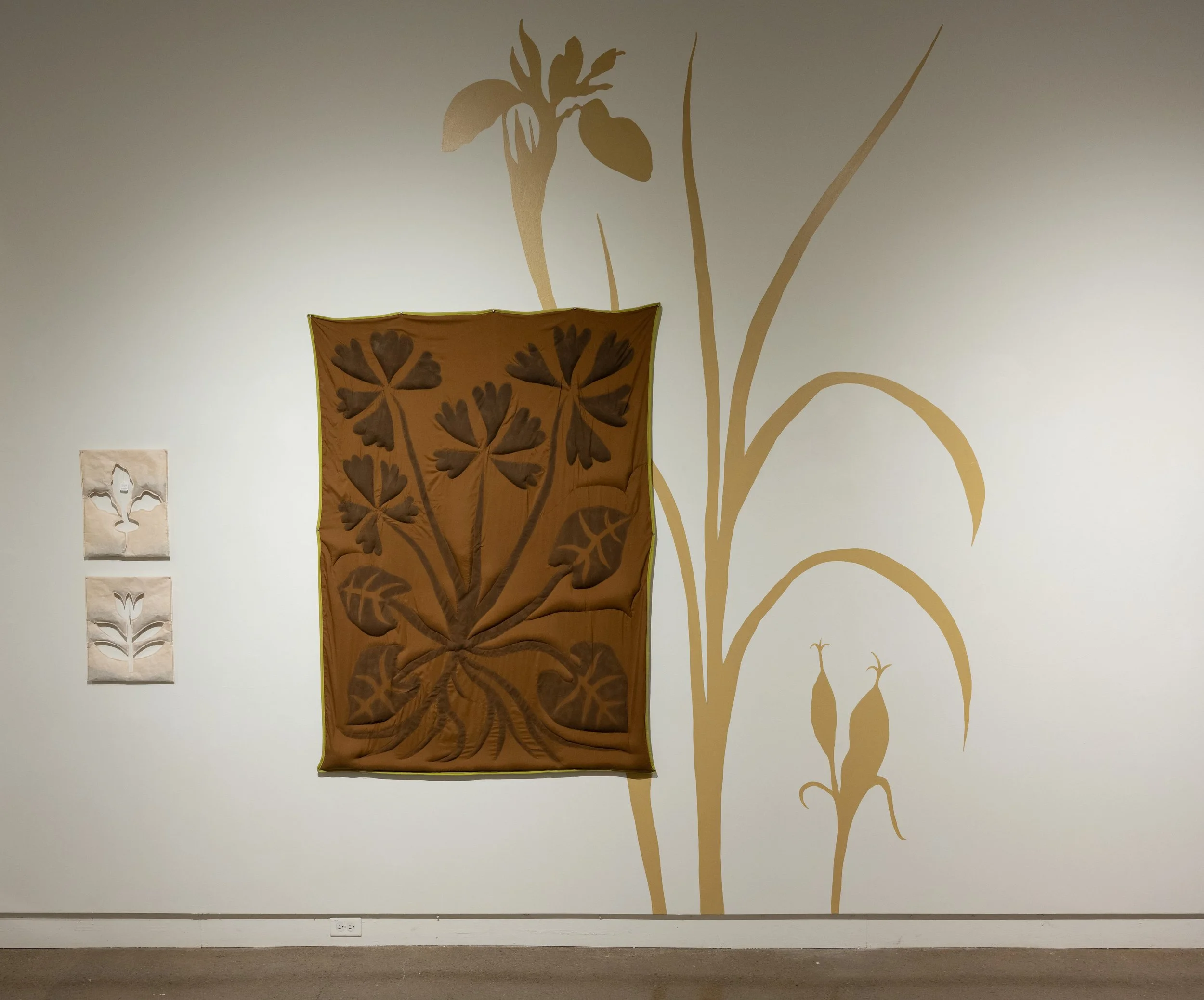
Stepping across the threshold dividing the busyness of the outside world and the quiet refuge of the Main Gallery, we are welcomed into a calming quilted canopy of deep green trees. Kellyann Marie’s Meanwhile the World Goes On gives a protected space to reconnect with our emotions. Beneath the branches, the artist presents a portrait of their late brother. We are invited in to share this contemplative space to explore our own memories, emotions, and grief.
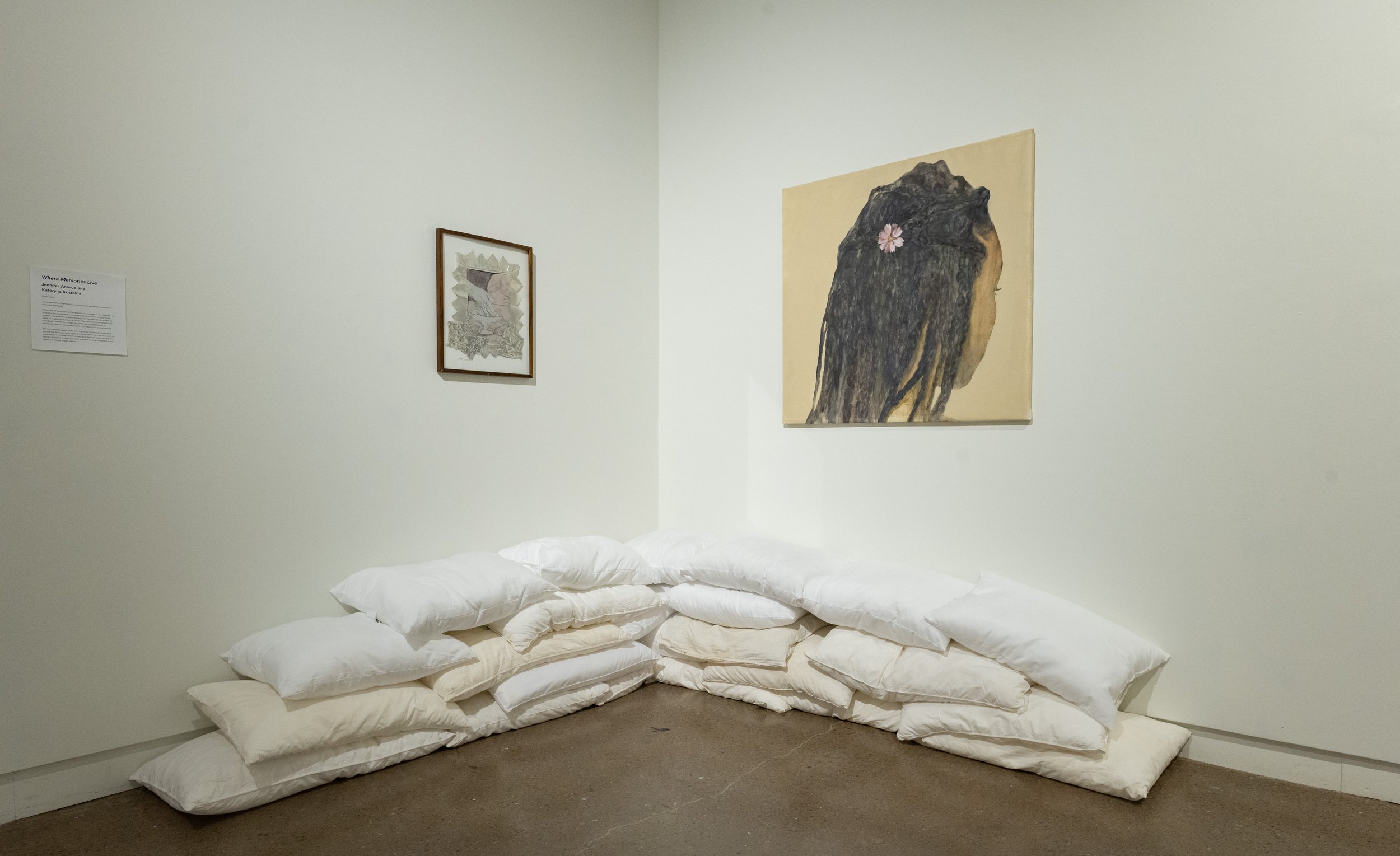
To the right, the canopy melts away transforming into filled pillowcases buttressing Jennifer Anorue’s and Kateryna Kostelna’s paintings. In Where Memories Live, the two Vancouver-based, Ukrainian artists bolster their paintings of childhood rituals with soft “sandbags” to protect innocent memories from war. The artists construct a temporary shelter for the youngest and softest parts of ourselves, reminding us to protect our innocence, playfulness, and childhood selves.
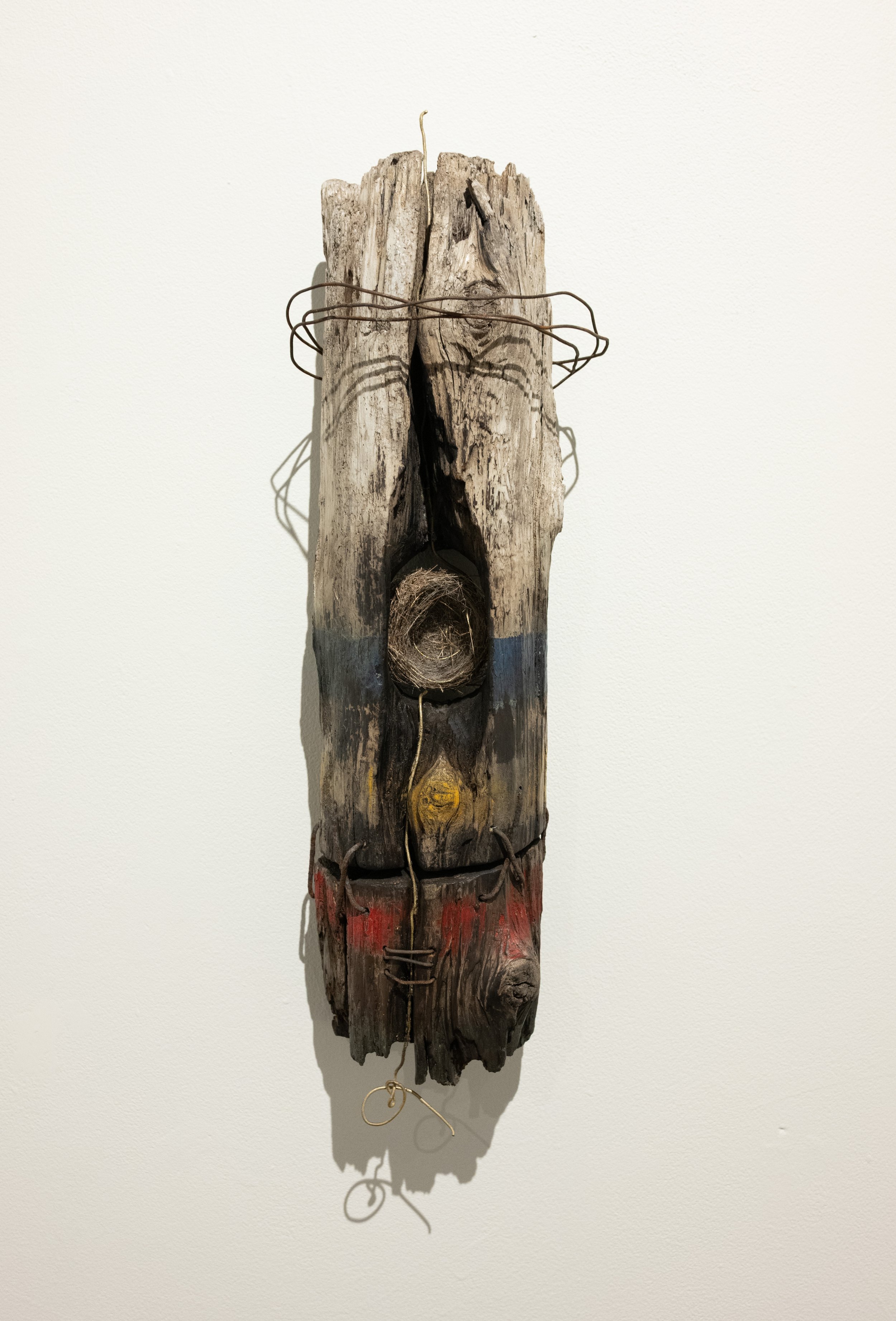
Meanwhile, Chris Chrysler’s To Be of This Place stitches together rusted wire and reclaimed wood. At its centre is a found bird’s nest. The artist explains the melding of these salvaged and saved materials with an accompanying poem that reckons with the complicated relationships we have to the places we live. By intertwining used materials, scarred by their individual and unknown pasts, the artist imagines mending not as restoration, but rather an acceptance of things as they are.
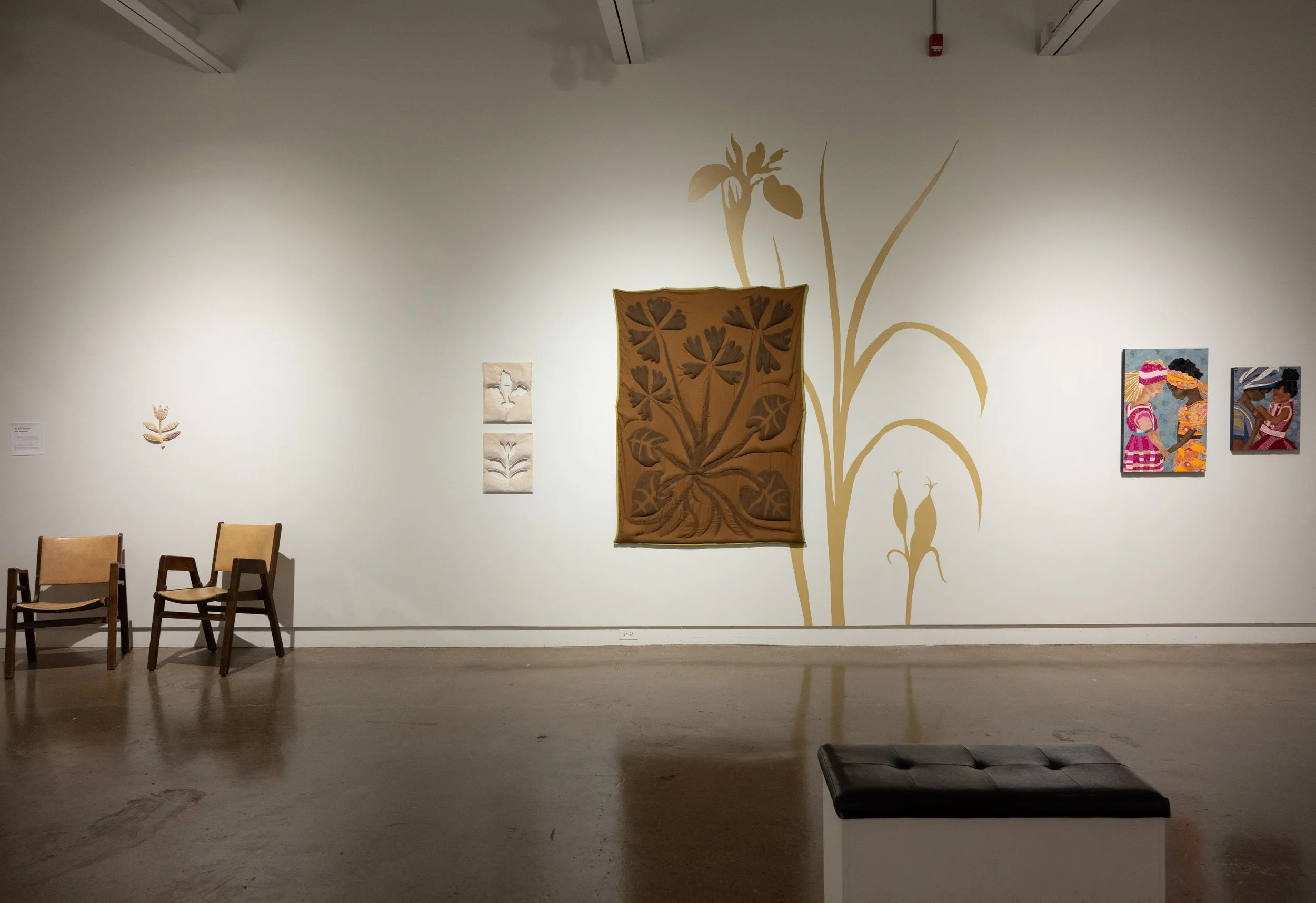
Abby Nowakowski’s We Tend Together takes an embodied approach, referring to the use of heat to relieve physical pain. Their installation features a large quilt filled with rice, like the heating packs used to ease sore muscles and cramps, and oversized tea bags large enough to share. While our minds, hearts, and memories often need care, so too do our bodies. Nowakowski’s work asks us to check in with our bodies, to the tension and aches we hold, and to relax with one another into shared warmth.
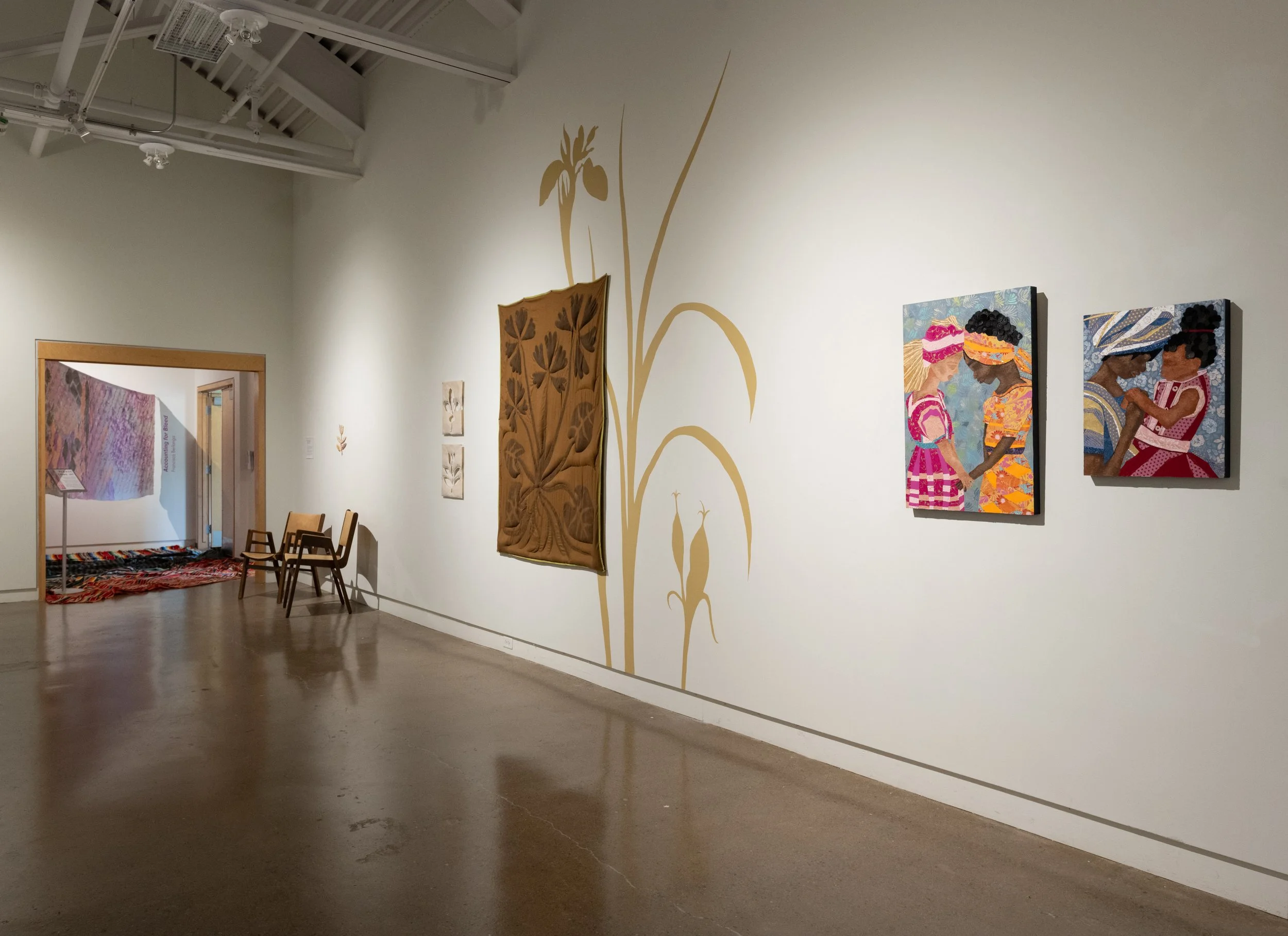
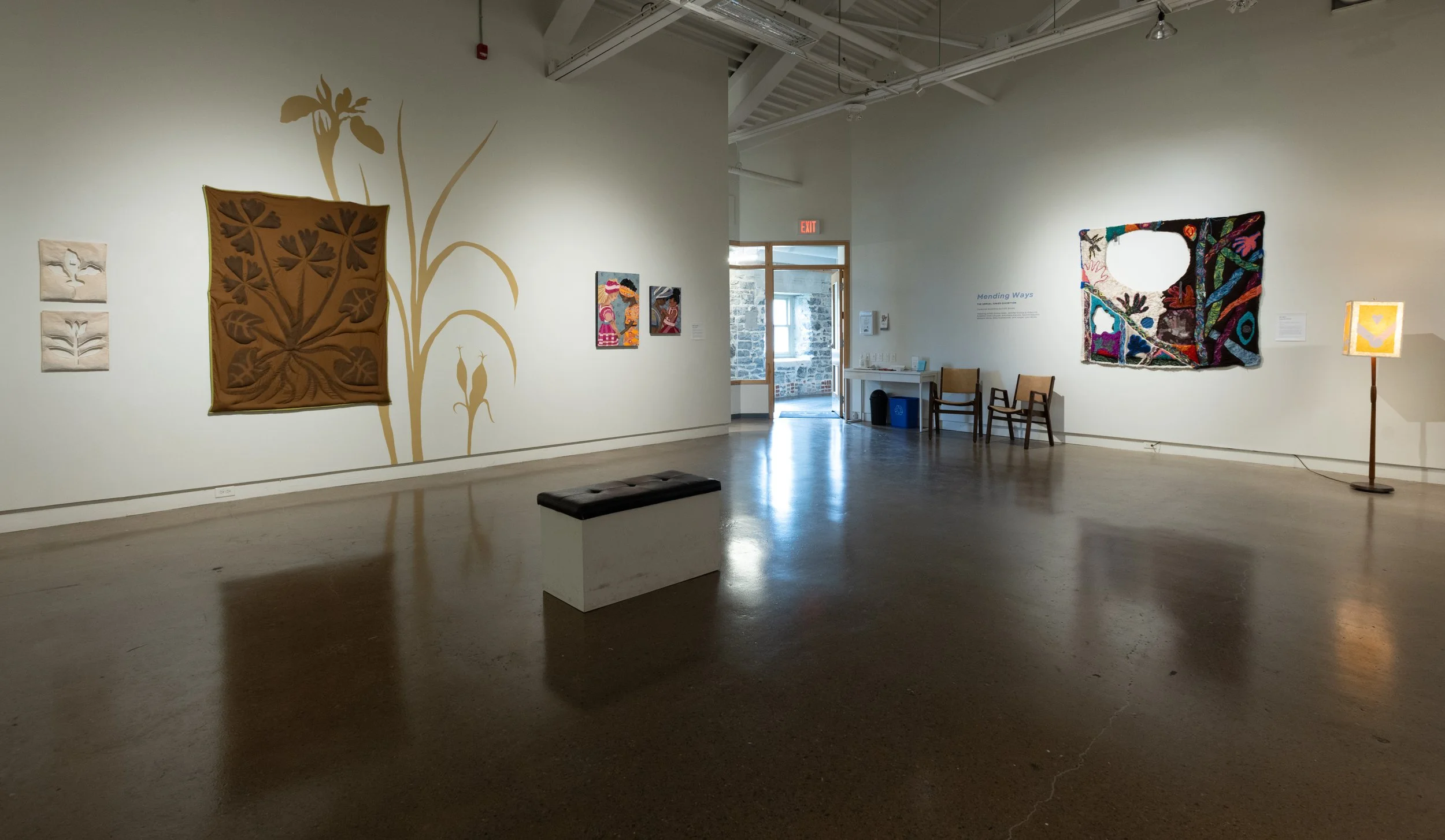
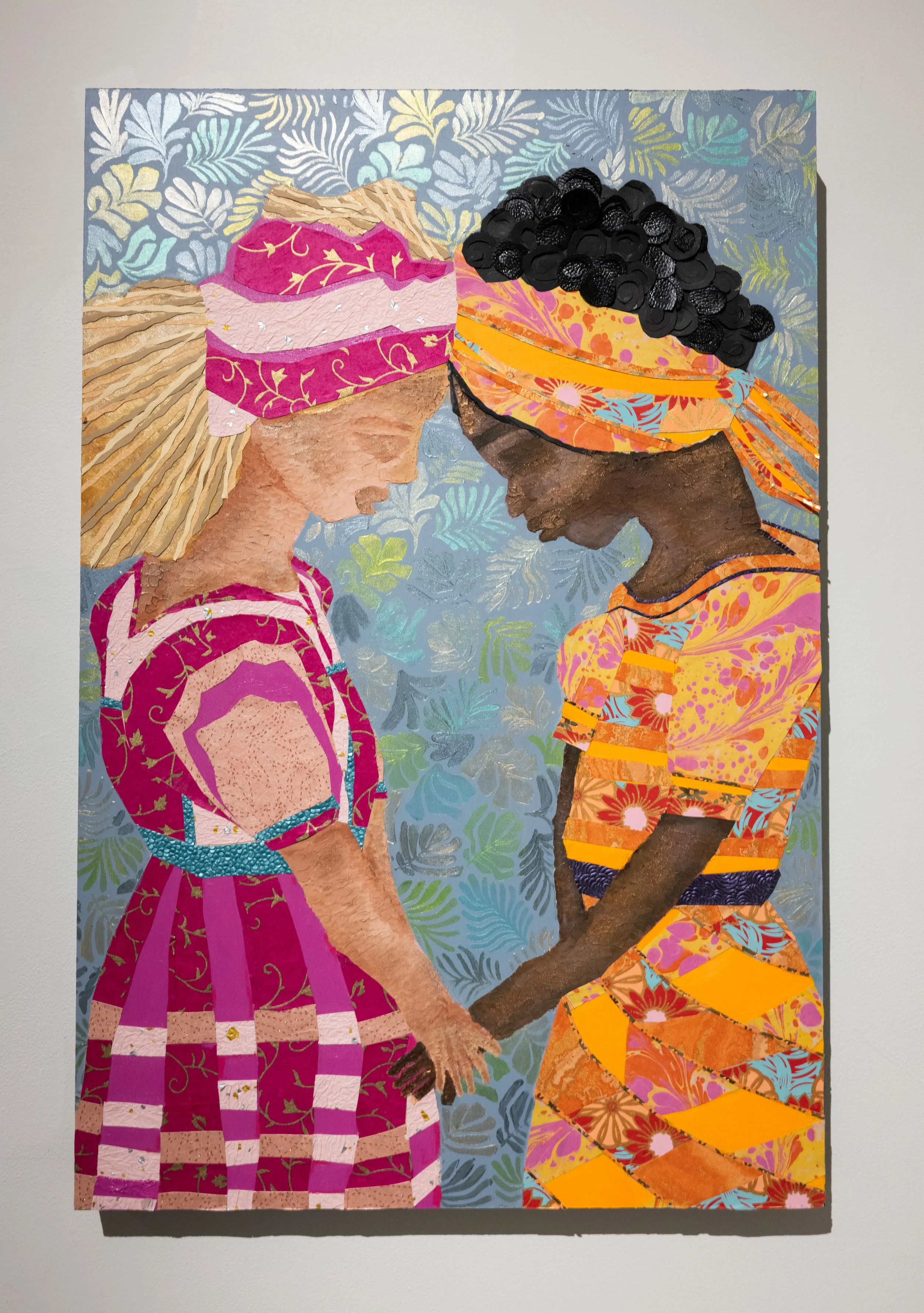
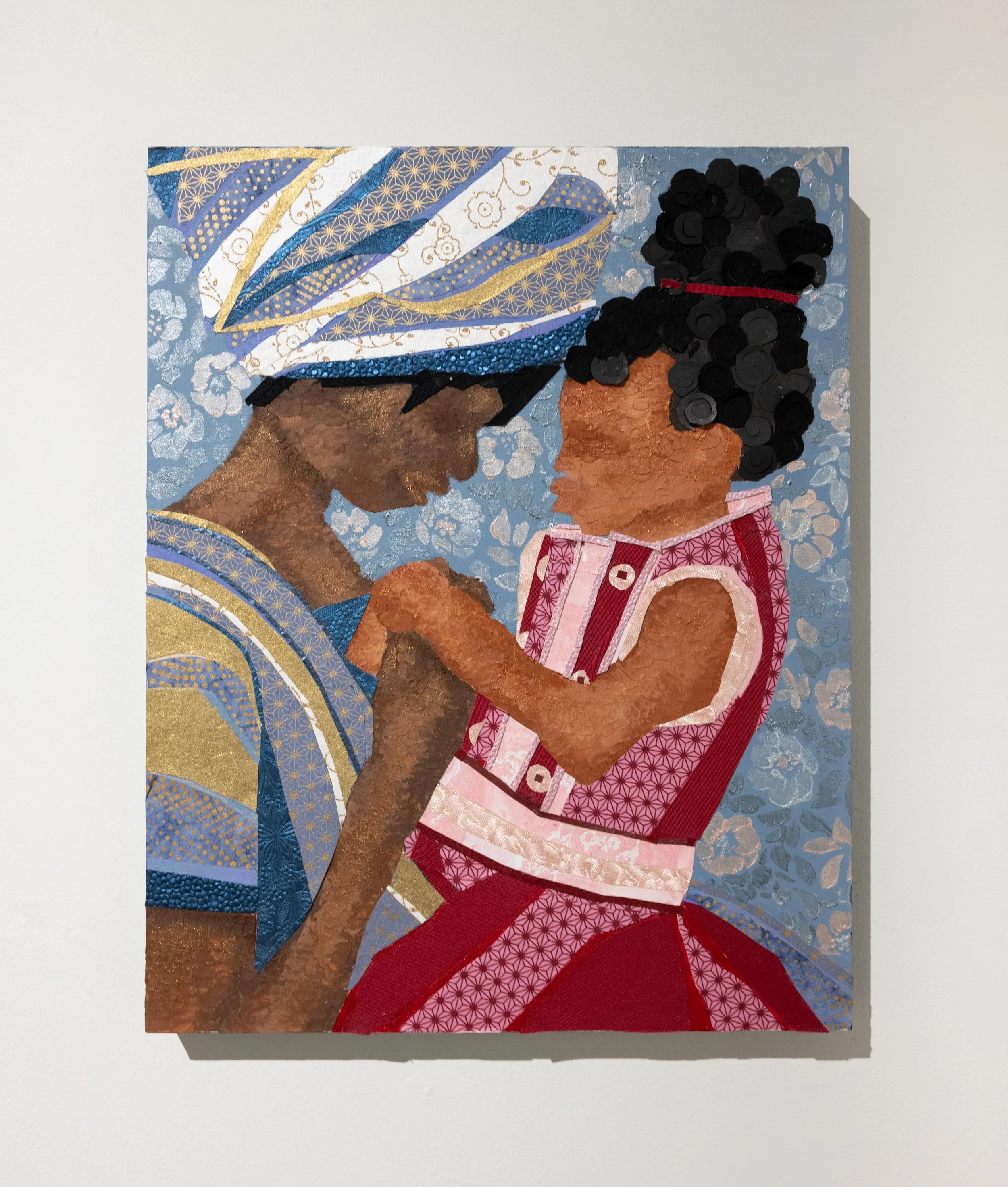
As our bodies loosen, we are invited to reconnect with each other. Narmin Kassam’s With One Voice presents pairs of figures standing forehead to forehead, hand in hand, curling into one another. Kassam captures the vulnerability and trust required to heal. Mending is rarely an individual and independent activity. To mend, we must lean into one another.
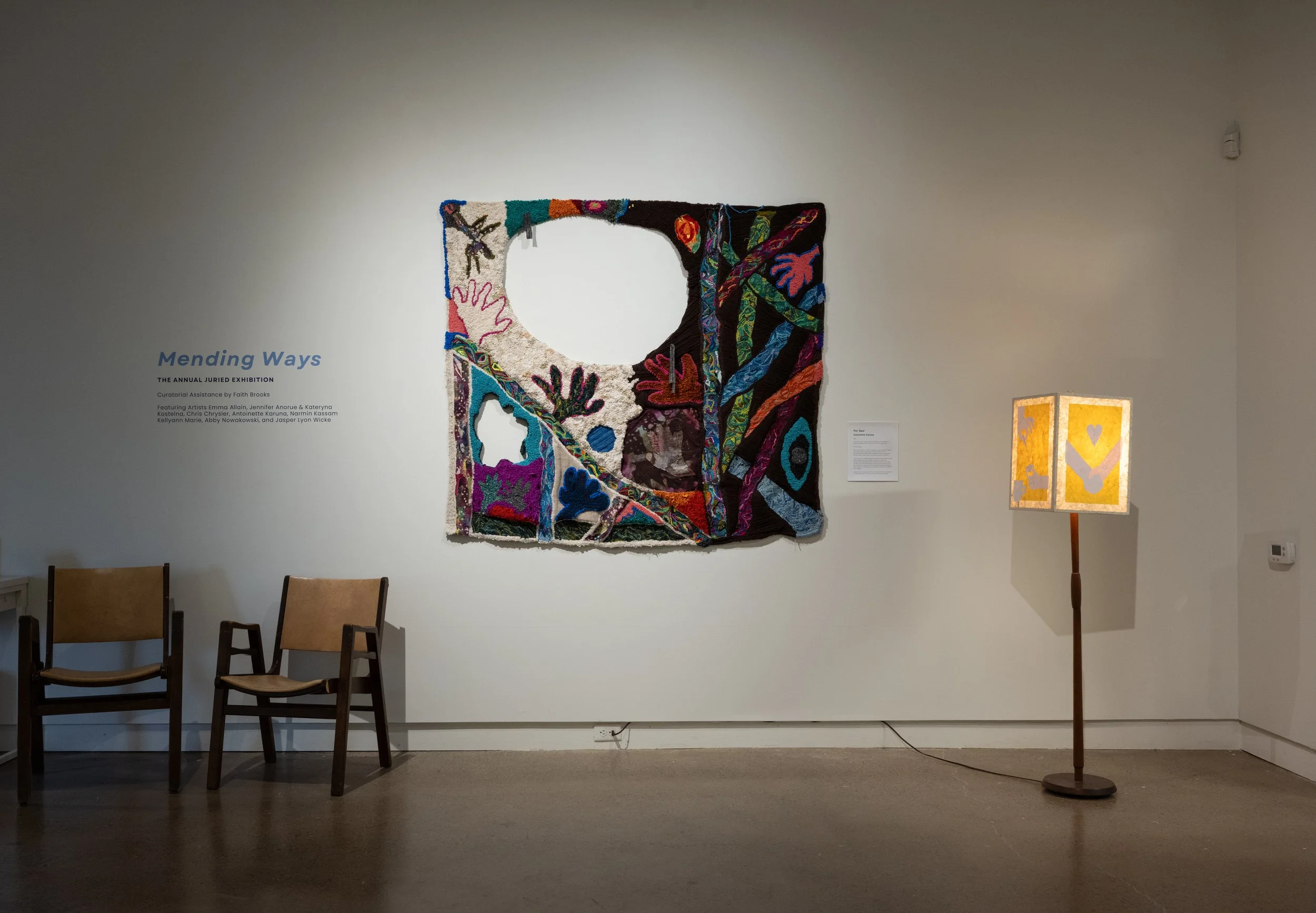
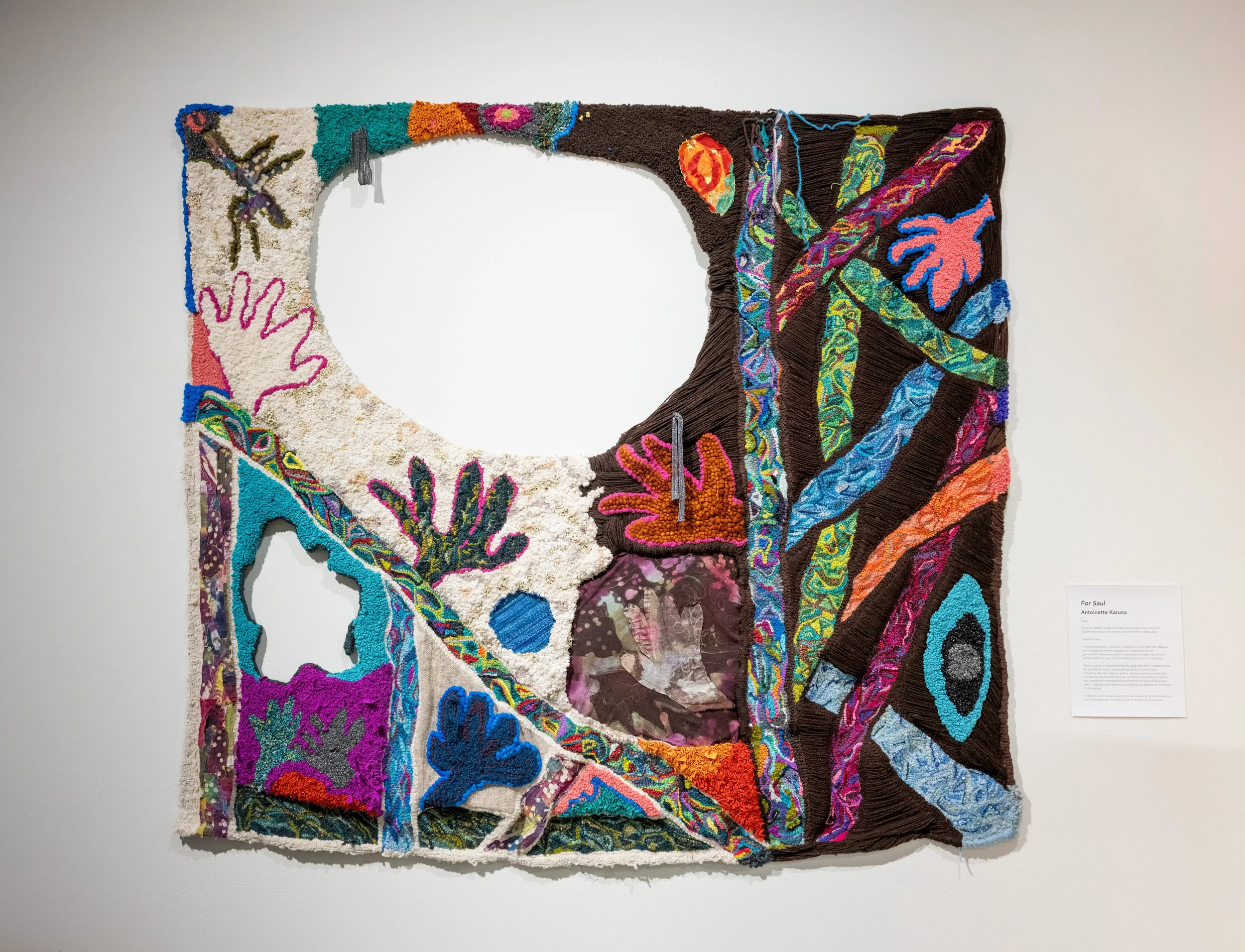
In For Saul, Antoinette Karuna connects interpersonal mending to intergenerational and community mending. In this textile work, Karuna explores her identity in relation to her Tamil and Québécois heritage. Using sewing, rug hooking, punch needles, and appliqué to merge textiles of a variety of textures and colours into one work, Karuna explores methods of healing diasporic grief – the complicated emotional pain caused by displacement and movement. By dedicating this work to her nephew, Saul, Karuna’s work demonstrates the teaching of mending practices to future generations.
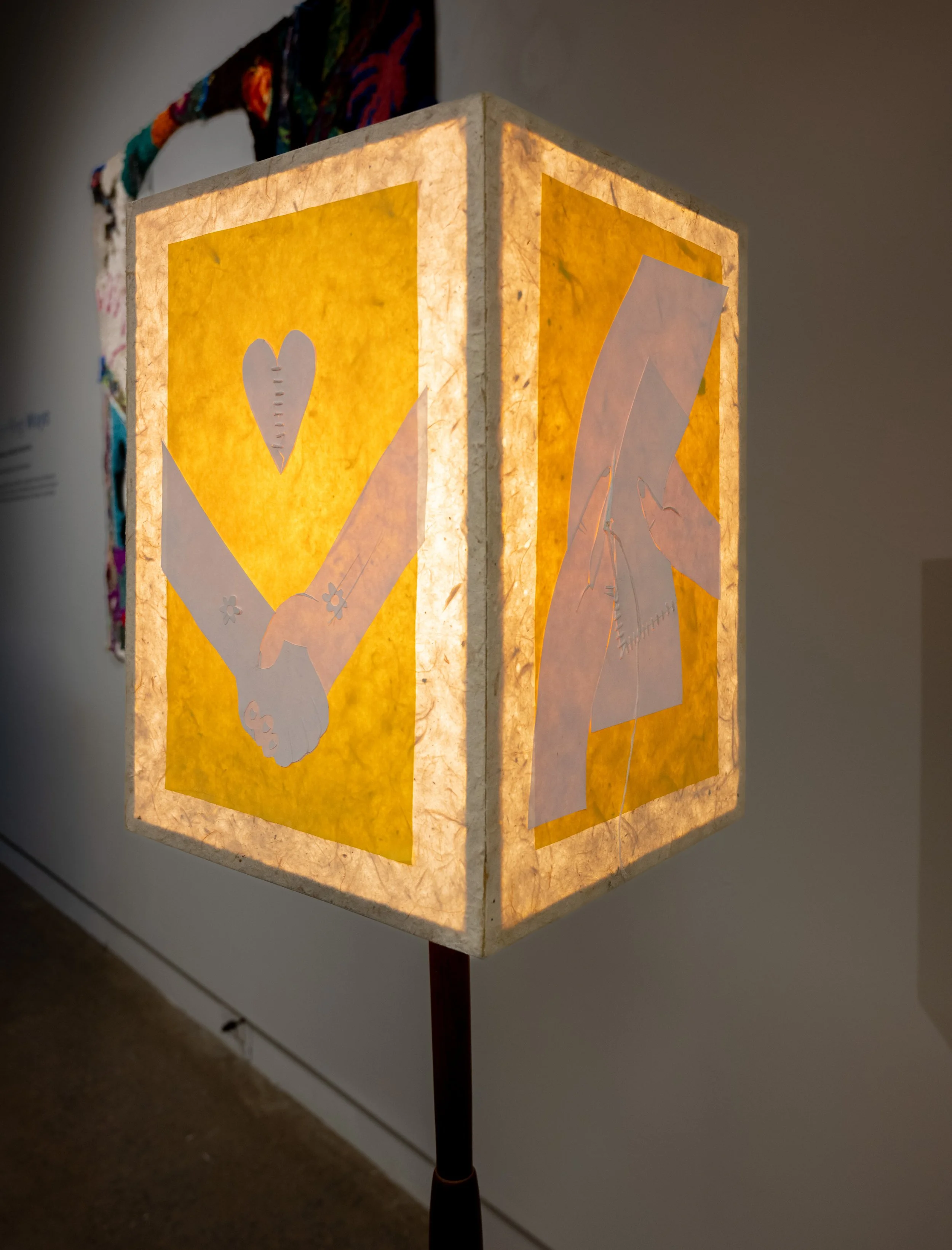
Jasper Lyon Wicke’s Many Hands Make Light Work likewise refers to lineages of repair. Wicke uses her great-grandmother’s lamp as a base, highlighting generational healing through its materials. When we make our way back out into the busy, often challenging world, Wicke leaves the light on. Long after we leave the gallery and return to the demands, pressures, and heartbreaks of daily life, the golden light will stay shining for each future visitor, passing the intention of mending onwards.
In Emma Allain’s It’s 6pm in Kingston we receive messages from afar. As we place the headphones over our ears, we are isolated from the rest of the gallery. We are met with a stranger’s voice detailing where they are, the time, and what they are doing. In this audio installation, Allain draws from her own experience of loneliness, presenting the collection of voice notes as a salve for isolation. With each message, whether the stranger is walking their dog or parking their car next to a snowbank, we are invited into their worlds. Allain’s work reminds us of the intimacy of mundanity, and that healing our loneliness might be as simple as making a call.
Each of the works included in Mending Ways explores a different aspect of healing. Whether we are reconnecting with our grief, memories, emotions, bodies, ancestry, or each other, in the end mending always brings us back to ourselves.
Media Coverage
“Free Kingston art exhibition Mending Ways explores different aspects of healing” by Emily Wright in the Kingstonist